
Chapter 3 

Part 2 – GLP-1 Science

The Science of Appetite: Understanding GLP-1, GIP & Glucagon

Your body already has a system for regulating hunger and fullness. Here’s how GLP-1, GIP, and glucagon work with it — not against it.

FDA

regulated medications

7

chapters in this guide

GLP-1 Weight Loss Program | GLP-1 Weight Loss Program

Physician-Reviewed

Medical Weight Loss Guide

KEY TAKEAWAY

Your body is constantly regulating hunger, fullness, blood sugar, and energy use through an intricate network of hormones and organs. Modern medical weight-loss medications don’t create an entirely new system — they work by interacting with biological pathways your body already uses every day.

Your body already has a weight-management system

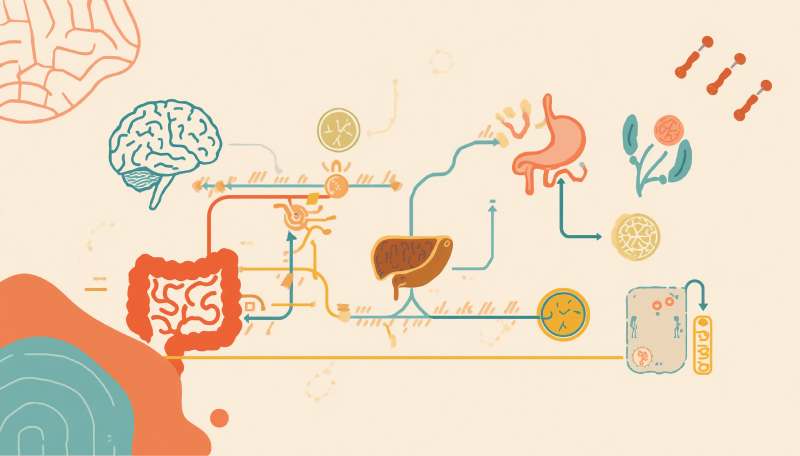
Long before medications like Semaglutide and Tirzepatide were developed, your body already possessed a sophisticated system for regulating body weight. Every time you eat, dozens of hormones signal between your brain, stomach, small intestine, pancreas, liver, fat tissue, and muscles — constantly answering questions like: am I hungry, am I full, should I store fat or burn it? This communication happens continuously, every hour of every day.
GLP-1 Weight Loss Program

Meet your metabolic messengers

Several hormones help regulate appetite and metabolism, but three have become especially important in modern obesity medicine: GLP-1 (Glucagon-Like Peptide-1), GIP (Glucose-Dependent Insulinotropic Polypeptide), and glucagon. Although these hormones have different roles, they work together to help maintain metabolic balance — today’s most advanced weight-loss medications were developed by building on that understanding.

GLP-1: your body’s natural “I’m full” signal

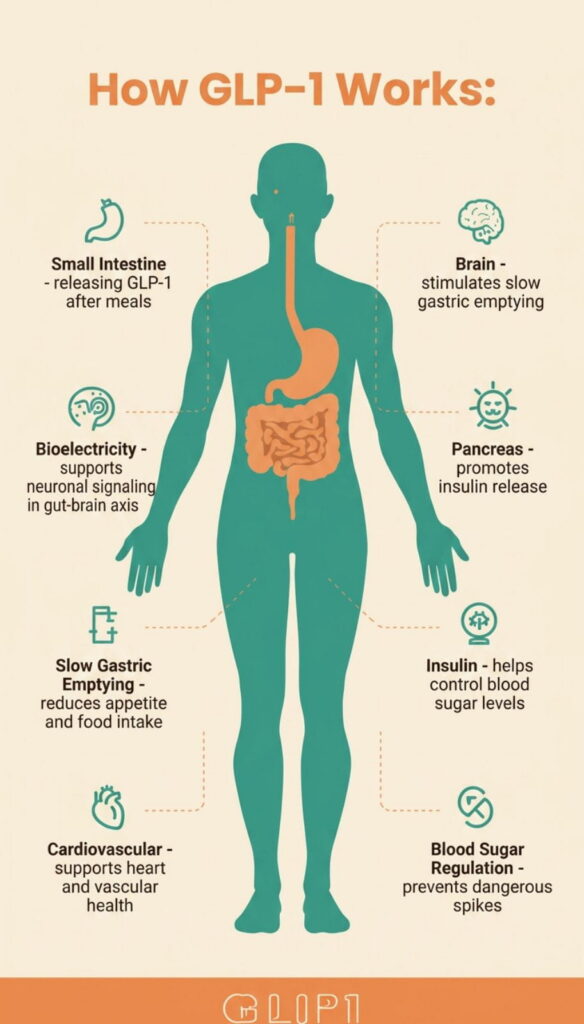
GLP-1 is a hormone naturally released by the small intestine after eating. It helps increase feelings of fullness, reduce appetite, slow how quickly food leaves the stomach (gastric emptying), support healthy insulin release when blood glucose is elevated, reduce glucagon release during meals, and help regulate blood sugar.
GLP-1 Weight Loss Program | How to GLP-1 Work

What is gastric emptying?

Gastric emptying refers to how quickly food moves from your stomach into your small intestine. GLP-1 activity can slow this process — when food remains in the stomach longer, many patients experience feeling full sooner, staying full longer, reduced desire to snack, and smaller meal sizes.

Clinical Pearl
Many patients believe GLP-1 medications “take away hunger.” A more accurate description is that they help regulate the body’s natural appetite and fullness signals, making it easier for many people to eat appropriate portions and feel satisfied.

GIP: supporting metabolic regulation

GIP is naturally produced in the digestive tract after eating and plays a role in supporting insulin release in response to meals, glucose regulation, and energy metabolism. Researchers discovered that activating both the GLP-1 and GIP pathways together may produce complementary metabolic effects — the discovery that led to dual-agonist medications such as Tirzepatide.

Glucagon: more than blood sugar

Glucagon is another naturally occurring hormone produced by the pancreas, traditionally recognized for helping maintain normal blood glucose by signaling the liver to release stored glucose. Researchers have also been studying how glucagon receptor activation may influence energy expenditure, fat metabolism, and overall metabolic regulation — areas of ongoing research in investigational metabolic therapies, which remain investigational and have not been approved by the FDA.

Why three hormones matter

Imagine your body’s metabolism as an orchestra — each hormone plays a different instrument, and if only one is playing, the music sounds incomplete. This analogy illustrates why researchers have explored therapies that target multiple biological pathways rather than relying on a single mechanism.

Understanding “food noise”

Now that you understand these hormone pathways, it becomes easier to appreciate why some patients describe changes in their relationship with food during treatment — thinking less about food between meals, feeling satisfied sooner, reduced cravings, and less impulse eating. The goal isn’t to eliminate the enjoyment of eating — it’s to restore healthier regulation of hunger and fullness.

Clinical Pearl

Many patients believe GLP-1 medications “take away hunger.” A more accurate description is that they help regulate the body’s natural appetite and fullness signals, making it easier for many people to eat appropriate portions and feel satisfied.
I didn’t realize how unusual my hunger had become until it changed… I still enjoyed eating — I just wasn’t constantly thinking about my next meal.
-He & She MD patient. Individual experiences vary.

Myth vs. Fact

Myth: “GLP-1 medications force your body to lose weight.”
Fact: They work by interacting with naturally occurring biological pathways that regulate appetite, fullness, gastric emptying, and blood sugar — most effective combined with nutrition, physical activity, and ongoing medical care.

Myth: “These medications replace healthy eating.”
Fact: No medication replaces good nutrition or healthy lifestyle habits — they are intended to complement comprehensive care, not substitute for it.

Research Spotlight

Over the past two decades, research into gut hormones has transformed obesity medicine. Scientists identified that hormones such as GLP-1 and GIP play important roles in regulating appetite, satiety, insulin secretion, and metabolism — work that paved the way for medications targeting these naturally occurring pathways.

Frequently Asked Questions

Do GLP-1 medications get rid of hunger completely?

No. They help regulate your body’s natural fullness signals rather than eliminating hunger entirely.

It’s how quickly food moves from your stomach into your small intestine. GLP-1 can slow this process, helping you feel full sooner and stay full longer.

GLP-1 primarily drives fullness and appetite regulation; GIP supports insulin release and glucose metabolism. Together they’re the basis of dual-agonist medications like Tirzepatide.

Yes, Tirzepatide is FDA-approved

Scientific References

  1. American Diabetes Association — Newsroom coverage of GIP/GLP-1/glucagon receptor biology research. Read source

Ready to see if you qualify?

Takes two minutes. No obligation, no pressure.